This website is owned and operated by The WellBeauty Company LLC

Top 7 Cholesterol Supplements

Compare and choose from the top ranked cholesterol supplements.

Supplement capsules on a wooden table beside a carved wooden heart, a bowl of walnuts, and olive leaves
Our ranked list at a glance
#ProductGradeLink
1NAOMI Italian Citrus Bergamot featuring BergAmore®A+Shop NAOMI
2Nature's Craft Red Yeast Rice + CoQ10C-Review
3Resilia® Aged Odorless Garlic (Garlic + CoQ10)BReview
4DoseCReview
51MD CholesterolBReview
6Nature Made® CholestOff Plus®B-Review
7LUMA Nutrition Citrus BergamotDReview

Bergamot has been used for centuries — in breakfast dishes, teas, aromatherapy, and even nutritional supplements — to help support mental health, mood, and skin.

Today, many people rely on this Mediterranean "handyman" to help maintain a healthy heart and cholesterol levels already within the normal range.

However, it can be overwhelming to find a comprehensive supplement, as not all bergamot is the same. Some bergamot extracts have been validated in gold-standard human clinical trials. Others are generic commodity isolates with no published research, no disclosed sourcing, and no standardization. The label often won't tell you which one you're holding.

The Mediterranean's Best-Kept Secret for Heart Health

For centuries, bergamot has been a key part of the Mediterranean diet, prized for its bright citrus flavor and powerful health benefits. Grown primarily in Reggio Calabria, Italy — a renowned region where Citrus bergamia naturally thrives and where people commonly live past 100 — this unique fruit has long been used to support heart health and overall well-being.

Modern research now confirms what Calabrians have known for generations.

Bergamot is packed with polyphenol antioxidants that help protect cells from oxidative stress, support cardiovascular function, and promote healthy cholesterol levels. The seven key polyphenols — neoeriocitrin, naringin, neohesperidin, melitidine, brutieridin, luteolin, and apigenin — are the precise compounds studied in peer-reviewed human clinical trials.

Bergamot's Main Health Benefits

Healthy cholesterolHelps maintain LDL, HDL, and triglyceride levels within the normal range
Cardiovascular functionPolyphenols support arterial health and overall heart performance
Fast-acting resultsProperly standardized extracts show improvement across key markers in as little as 30 days
Antioxidant protectionCounters oxidative stress that drives long-term cardiovascular risk

How We Rank

What To Look For in a Quality Bergamot Supplement

The cardiovascular benefits of bergamot are real, but they're tied to specific formulations. Three things separate a clinically meaningful product from a marketing exercise:

1. A Standardized, Patented Extract

Generic "25:1" or "5:1" extracts describe how the extract was concentrated — they say nothing about what's in it. The benefits of bergamot come from its polyphenol profile, not from concentration ratios. Look for a patented, standardized extract whose label discloses the specific polyphenols and their percentages. Full Spectrum Bergamot standardized to 38 to 40% flavanones with all seven key polyphenols — is the benchmark.

2. Verified Italian Calabria Sourcing

Citrus bergamia only grows reliably in Reggio Calabria, Italy. This is the region where the fruit studied in peer-reviewed clinical trials is grown. If a product doesn't disclose its origin — or markets itself vaguely as "Mediterranean" — there's no way to verify the bergamot has any connection to the fruit the research was actually based on.

3. Clinical Trial Data on the Specific Formula

Some products borrow clinical research about bergamot in general but use a different composition not supported by the research. Others have clinical data that mirrors what was used in the clinical research. The distinction matters. The most credentialed products are validated in gold-standard, double-blind, placebo-controlled human trials of the specific formulation in the bottle.

Ingredients to Avoid

Magnesium Stearate & Synthetic Flow Agents

Many lower-tier supplements use magnesium stearate and stearic acid as inactive ingredients. These additives are cheap, common, and offer no nutritional value, some data suggests they can have negative effects on our health. In a well-formulated product they're unnecessary. Their presence raises legitimate questions about manufacturing priorities.

Red Yeast Rice Without Monacolin K Disclosure

Studies of red yeast rice containing monacolin K were conducted decades ago. However, in 2001, the FDA determined that red yeast rice products containing significant amounts of monacolin K are unapproved drugs rather than dietary supplements. As a result, products currently on the market generally contain little or no monacolin K and are unlikely to provide any cholesterol-lowering effects — essentially worthless. Products that include red yeast rice but don't disclose monacolin K content also may carry real risks of liver damage, kidney toxicity, and interactions with prescription medications.

Erythritol in "Heart Health" Products

Recent peer-reviewed research has linked erythritol to increased cardiovascular event risk and platelet reactivity. Finding it in a product specifically marketed for heart health is a serious formulation misstep that consumers should know about.

The Verdict

Top Cholesterol Support Supplements

After analyzing extract standardization, sourcing transparency, clinical trial data, and money-back terms, here's our ranked list.

Our #1 Pick
NAOMI Italian Citrus Bergamot featuring BergAmore®

1. NAOMI Italian Citrus Bergamot featuring BergAmore®

by NAOMI

View Special Offer
A+Overall Grade

Pros

  • Features BergAmore®, the patented full spectrum bergamot extract validated in gold standard human clinical trials
  • Sourced directly from Reggio Calabria, Italy the only region producing bergamot with a validated clinical research profile
  • Standardized to 38 to 40% flavanones including all 7 key polyphenols: neoeriocitrin, naringin, neohesperidin, melitidine, brutieridin, luteolin, and apigenin
  • Formulated with exact clinical source and dose delivering results across all key cardiovascular markers in 30 days
  • Cardiologist developed
  • Free of magnesium stearate, fillers, gluten, and GMOs
  • Free of additives and fillers
  • 365 Day Money Back Guarantee
  • Manufactured in a cGMP compliant, NSF certified US facility, using the finest globally sourced ingredients

Cons

  • Price is higher than non-standardized alternatives, though directly reflective of extract quality and clinical pedigree

The Bottom Line

For consumers who have done the research, NAOMI is the product the science points to. NAOMI Citrus Bergamot Plus Resveratrol is built around BergAmore®, the patented, full spectrum citrus bergamot extract sourced directly from Reggio Calabria, Italy and standardized to 38 to 40% flavanones including all 7 key polyphenols, the precise profile studied in gold standard, peer-reviewed human clinical trials. It is the only extract in this category with that level of verified, traceable formulation integrity. Clinical results across LDL, HDL, triglycerides, and blood glucose are demonstrated in 30 days, not 6 months.

Read full bottom line

What separates BergAmore® from generic citrus bergamot extracts is traceability at every step. The fruit is grown and harvested in Reggio Calabria, the only region in the world where Citrus bergamia naturally thrives and processed without harsh solvents or additives. Every bottle carries an authenticity code so consumers can verify the source. BergAmore® is also the only bergamot extract formally acknowledged by the Academia del Bergamotto in Reggio Calabria, Italy, the governing scientific and agricultural authority on bergamot itself. That recognition is not a marketing badge. It is a credential awarded by the people who know this fruit better than anyone in the world.

The addition of resveratrol is not incidental. Resveratrol is a well-studied polyphenol with its own body of peer-reviewed research supporting cardiovascular protection, healthy inflammation response, and cellular longevity. Combined with BergAmore®, the formula addresses both lipid management and the broader oxidative stress environment that drives cardiovascular risk. Two clinically validated compounds working on complementary pathways, not one ingredient chasing a trend.

For anyone comparing options in this category, the key question is not which product costs less but which product contains the extract that was actually studied. Standardization to 38 to 40% flavanones with all 7 key polyphenols is not a marketing claim. It is the specification the research was built on. Products that do not meet that threshold are not truly comparable. The most credentialed formula in its category, and in a space where extract quality is everything, the price reflects what the product delivers.

View Special Offer
Sold on naomiw.com

*Scores and results are based on the cholesterolsupplementsreviews.com ranking methodology and do not necessarily reflect typical results from the use of these products. Please visit product websites for more information.

Nature's Craft Red Yeast Rice + CoQ10

2. Nature's Craft Red Yeast Rice + CoQ10

by Nature's Craft (opens in a new tab)

C-Overall Grade

Pros

  • Delivers 100mg of CoQ10, a compound your cells rely on to produce energy especially in high-demand organs like the heart. It also works as an antioxidant, helping protect cells from oxidative stress. Especially valuable if you're on a statin, since these medications are known to lower your body's natural CoQ10 levels.
  • Manufactured in the USA, using globally sourced ingredients according to the listing.

Cons

  • Red yeast rice's entire cholesterol-lowering activity comes from monacolin K, a compound that is chemically identical to the prescription drug lovastatin. But the U.S. Food and Drug Administration (FDA) considers monacolin K to be potentially dangerous, and supplements with substantial amounts of monacolin K can no longer be marketed as a dietary supplement in the United States.

    Red yeast rice dietary supplements available in the U.S. today contain very little monacolin K, meaning they have little or no effect on blood cholesterol levels. When you examine the label of a red yeast rice supplement, it will typically indicate that it contains 1200 mg of red yeast rice, but no mention of actual monacolin K. Even the studies with participants getting substantial amounts of monacolin K daily over a 12-week period show that red yeast rice has minimal impact on triglycerides and increases in the "good" HDL cholesterol was virtually non-existent, additionally they didn't even bother testing for blood sugar.

    Side Effects are also common and include

    • Headaches
    • Stomach upset
    • Elevated Liver Enzymes
    • Heartburn
    • Gas (Flatulence)
    • Dizziness
    • Constipation

    The FDA has warned that some red yeast rice products have been found to contain citrinin, a known toxin. The journal BMJ Case Reports warns doctors that red yeast rice supplements have the potential to cause liver and kidney damage.

  • No monacolin K content, standardization, or analysis is provided, only the raw red yeast rice weight. Contains synthetic stearate additives.
  • Not appropriate for anyone already taking a statin, blood thinner, or with liver concerns, and, given its drug-equivalent mechanism, generally not recommended without physician supervision.

The Bottom Line

Red yeast rice's entire cholesterol effect rides on monacolin K, a compound the FDA treats as an unapproved drug at clinically active doses. Without a disclosed monacolin K amount or a published certificate of analysis, there's no way to know whether this product delivers a real, statin-equivalent effect (with statin-equivalent risks) or next to nothing, and the label doesn't give consumers the information they need to make that call. This is an antiquated, one-trick-pony approach to heart health that is no longer relevant given the new FDA ban on statin-like red yeast rice. Beyond the uncertainty, the side effects and safety concerns tied to unregulated monacolin exposure from muscle, kidney and liver issues to the risks of undisclosed statin-equivalent dosing make it an unworthy option for consumers seeking a safe, transparent approach to heart health.

Learn More
Sold on Amazon.com

*Scores and results are based on the cholesterolsupplementsreviews.com ranking methodology and do not necessarily reflect typical results from the use of these products. Please visit product websites for more information.
Resilia® Aged Odorless Garlic (Garlic + CoQ10)

3. Resilia® Aged Odorless Garlic (Garlic + CoQ10)

by Resilia (opens in a new tab)

BOverall Grade

Pros

  • Combines Aged Garlic Extract (AGE) and CoQ10 Ubiquinol, two ingredients that have each individually been studied in published clinical research related to cardiovascular support and shown to provide meaningful benefits.
  • Odorless formulation may be easier to tolerate than raw garlic or standard garlic supplements; manufactured in an FDA-registered US facility.
  • Gluten-free and non-GMO, with no artificial additives disclosed.

Cons

  • Resilia's label states "600mg aged garlic extract standardized for S-Allyl Cysteine" but doesn't disclose the actual SAC content in milligrams the number that actually ties back to the research. Without that figure, there's no way to confirm this product's 600mg is chemically comparable to the extracts used in trials, Products can state "aged garlic extract" but vary substantially in SAC concentration depending on how they're processed.

    The 50mg CoQ10 (ubiquinol) included alongside it is also on the low end — most CoQ10 trials use 100–300mg, so it's more of a token addition than a dose doing independent clinical work.

    Ubiquinol Stability Risk from Co-Formulation

    Ubiquinol is a fat-soluble, oxidation-sensitive compound that is typically formulated in an oil-based matrix to help maintain stability. Aged garlic extract (AGE), by contrast, is generally a dry, hygroscopic, water-soluble powder, creating a potential formulation compatibility challenge when the two are combined in a single softgel.

    When AGE powder is suspended within an oil-based softgel, its hygroscopic nature may attract or redistribute moisture from the gelatin shell, potentially creating localized areas of elevated moisture within the fill. Exposure to moisture and oxygen can increase the risk of ubiquinol oxidizing to ubiquinone, potentially reducing the amount of ubiquinol maintained throughout shelf life. The physical and oxidative stability of ubiquinol should be specifically evaluated in an AGE-containing softgel, ideally through accelerated and real-time stability testing that measures ubiquinol-to-ubiquinone conversion over time.

  • Sold through a subscription-first, tiered "free gift" checkout (bonus jars, cases, bundled products), a common conversion structure that can make the true per-bottle cost difficult to compare against competitors.
  • No standardized polyphenol or S-allylcysteine (SAC) content disclosed, so potency cannot be verified against the specific extracts used in published clinical research.

The Bottom Line

Resilia Aged Garlic + CoQ10 is best understood as a blood pressure and circulation support supplement, not a cholesterol-management product and the research back up that distinction clearly. Every clinical trial behind aged garlic extract's cardiovascular reputation measured systolic/diastolic blood pressure, arterial stiffness, or endothelial function as the outcome of interest; none of them tracked HDL, LDL, or triglycerides as a primary endpoint. So, while the "cardiovascular wellness" language on the label isn't technically false, it's easy for a shopper to read that as lipid support when the underlying science simply doesn't cover that ground.

If your goal is lowering LDL, raising HDL, or bringing triglycerides down, this isn't the product to reach for, its evidence base doesn't speak to those markers at all, and the 50mg of CoQ10 included alongside the garlic is too low a dose to meaningfully move the needle on its own. Where this product has a legitimate claim to backing is for someone managing blood pressure or looking for general circulatory support. For cholesterol and triglycerides specifically, look elsewhere.

Learn More
Sold on Amazon.com

*Scores and results are based on the cholesterolsupplementsreviews.com ranking methodology and do not necessarily reflect typical results from the use of these products. Please visit product websites for more information.

Clinical Evidence Comparison: NAOMI BergAmore® vs. Aged Garlic

The figures below compare NAOMI's published 30-day, 1,000mg BergAmore® results against the best available human clinical evidence on aged garlic extract across the same four markers. Where a pooled meta-analysis exists, it is the more reliable indicator than any single trial.

Marker (30 days)NAOMI Bergamot 1000mgAged Garlic — Clinical Evidence
Total Cholesterol↓ 29%Pooled meta-analysis of 19 RCTs: no significant effect. Best single trial result: ↓ 6–7%.
Triglycerides↓ 41%Pooled meta-analysis of 19 RCTs: no significant effect. Best single trial result (single industry-sponsored study): ↓ 12%.
HDL Cholesterol↑ 40%Pooled meta-analysis of 19 RCTs: no significant effect. Best single trial result (same industry-sponsored study): ↑ 11.5%. Other trials report HDL as unchanged.
Blood Glucose↓ 22%Not consistently measured across trials; where improvement was reported, magnitude was not published as a percentage.

Sources: Kian et al., Phytotherapy Research 2024 (19-RCT meta-analysis); Steiner et al., Am J Clin Nutr 1996; Yeh & Lin, J Nutrition 1997/2001; Nirvanashetty & Panda, Open Access J Complement Altern Med 2023 (OLNP-15, single industry-sponsored trial); Gardner et al., JAMA Intern Med 2007 (null result, included for balance).

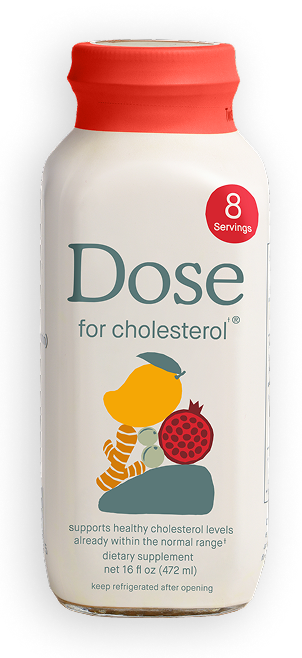
Dose
COverall Grade

Pros

  • Easier for those who have difficulty swallowing pills
  • Free of additives and fillers
  • Non-GMO
  • Contains superfruits

Cons

  • Contains erythritol, recently linked to increased cardiovascular risk and gastric upset
  • Most expensive, Poorest value on the market $90 for a 24-day supply ($3.75/day) without a subscription
  • Proprietary blend with no disclosure of individual ingredient amounts, a known supplement red flag
  • Efficacy data is not a double-blind placebo-controlled design, relies entirely on participant self-reporting, no objective biomarker measurements (LDL, HDL, triglycerides, blood glucose)
  • Does not contain Bergamot or Resveratrol

The Bottom Line

This product raises more questions than it answers. At $90 for just a 24-day supply, consumers deserve far greater transparency and evidence than this product delivers. The proprietary blend makes it impossible to evaluate whether any ingredient is present at a clinically meaningful dose. What little efficacy data exists relies entirely on participant self-reporting rather than objective improvements in the cardiovascular markers. There is no actual data that details if and how much it might improve LDL, HDL, triglycerides, and blood sugar. The absence of bergamot, the most comprehensively researched natural ingredient for cardiovascular support, and resveratrol is a notable omission.

The use of erythritol is an immediate concern, recent research has linked it to increased cardiovascular risk factors, which is a serious formulation misstep in a product marketed specifically for heart health.

Learn More
Sold on Amazon.com

*Scores and results are based on the cholesterolsupplementsreviews.com ranking methodology and do not necessarily reflect typical results from the use of these products. Please visit product websites for more information.
1MD Cholesterol

5. 1MD Cholesterol

by 1MD Nutrition (opens in a new tab)

BOverall Grade

Pros

  • 90 Day Money Back Guarantee
  • Contains Traceable Form of Bergamot
  • 100% vegan formula

Cons

  • At $54 for a 30-day supply, CholestMD is among the most expensive products in the cholesterol supplement category
  • Clinical studies on Bergavit® require up to 6 months to demonstrate meaningful results significantly slower than competing extracts with established shorter-term efficacy data
  • Lower Potency Polyphenol levels, individual polyphenols present is not publicly disclosed
  • Bergavit® clinical results underperform the patented 7 Polyphenol blend used in BergAmore®

The Bottom Line

CholestMD earns credit for using a trademarked, Calabria sourced bergamot extract and for the credibility of its cardiologist endorsement. However, Bergavit® is a distinct extract from the patented full spectrum bergamot used in the most rigorous and widely cited human clinical trials, and that distinction matters. Across every key cardiovascular marker, including total cholesterol, LDL, triglycerides, HDL, and blood glucose, the clinically validated benchmark extract outperformed Bergavit® significantly, and achieved those results in a fraction of the time. For consumers seeking the cardiovascular outcomes the science actually supports, the extract and dose in CholestMD fall meaningfully short. The active dose of Bergavit® is 150mg per serving, a modest amount for an extract whose clinical data requires up to 6 months to show meaningful results. Consumers are essentially paying a premium price for a secondary-tier extract at a conservative dose, with no polyphenol standardization disclosed to confirm what they are actually getting.

Learn More
Sold on Amazon.com

*Scores and results are based on the cholesterolsupplementsreviews.com ranking methodology and do not necessarily reflect typical results from the use of these products. Please visit product websites for more information.

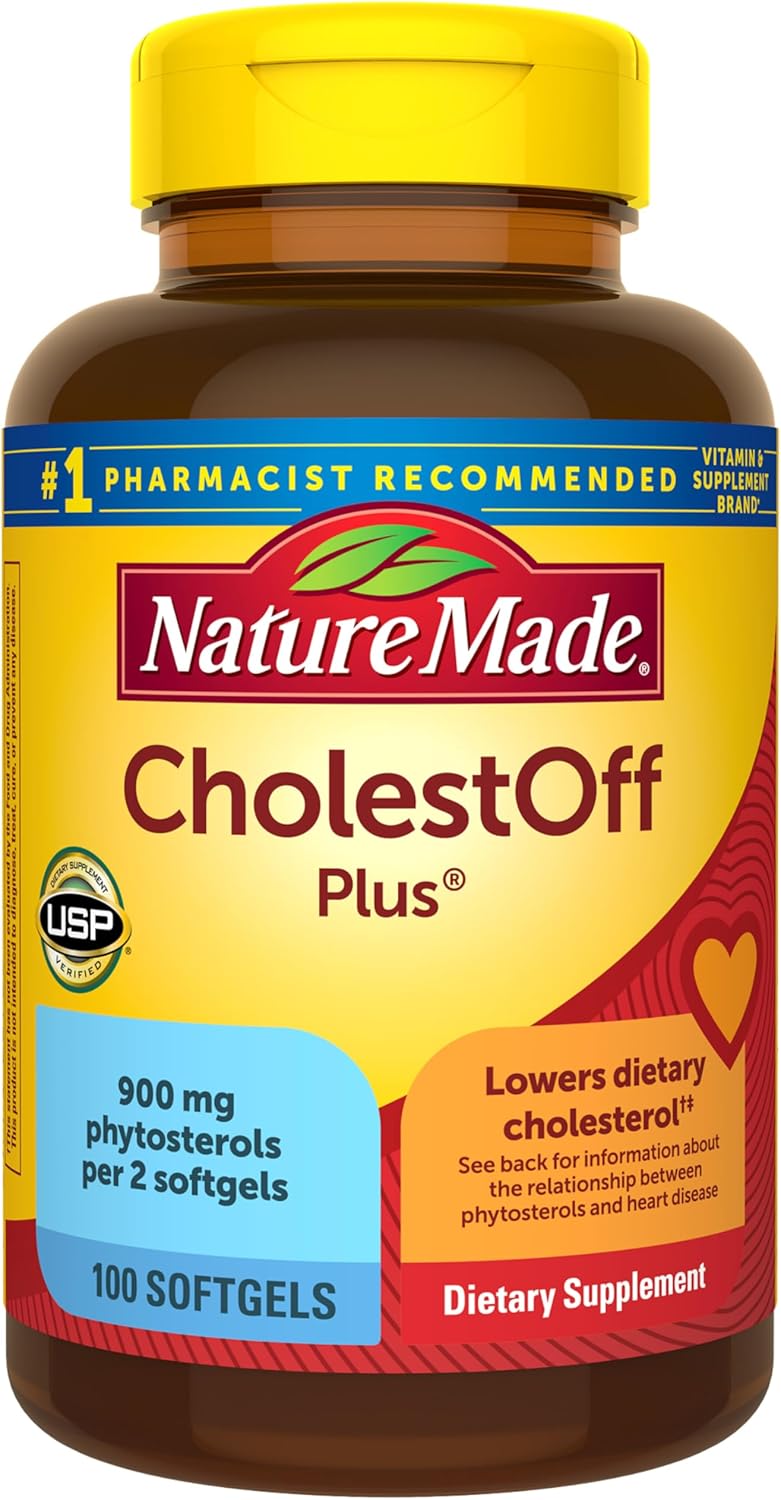
Nature Made® CholestOff Plus®

6. Nature Made® CholestOff Plus®

by Nature Made (opens in a new tab)

B-Overall Grade

Pros

  • Delivers 900mg of phytosterols (as esters) per serving, for a total of 1,800mg per day when taken as directed, meeting the FDA-qualified threshold of at least 800mg per day associated with reduced heart disease risk.
  • Backed by a substantial body of peer-reviewed research on plant sterols and stanols and LDL reduction, from an established, widely available national brand.
  • Single-ingredient, transparent label with no proprietary blend.

Cons

  • CholestOff Plus is currently sold as a Nature Made best seller ($33.29 for a 25-day supply), so it remains readily available, but the underlying mechanism, phytosterols blocking cholesterol absorption in the gut, is a single, narrow pathway. Nature Made's own two published, company-sponsored clinical trials on this exact 1.8g/day softgel formula tell an inconsistent story: the original trial reported total cholesterol down 7.4%, LDL down 9.2%, non-HDL down 9.0%, and triglycerides down 9.1%, but a follow-up replication study on the same product found total cholesterol down only 3.5%, LDL down only 4.3%, and no statistically significant effect on triglycerides or HDL at all, meaning the strongest claimed benefits (triglycerides, and the larger cholesterol swings) did not hold up when the study was repeated independently. Across both trials, HDL never moved significantly. There is no published data on this product's effect on blood sugar or glucose markers in either trial, and phytosterols have no established glycemic mechanism in the broader literature. That means CholestOff Plus, at best, reliably touches only LDL and total cholesterol, with triglyceride benefit unreplicated, no HDL effect in either trial, and no blood sugar data at all. The label itself also warns the product "should be used with caution when combined with statin drugs" and requires a physician consultation before use for anyone on cholesterol medication, a meaningfully higher friction and monitoring bar than a standalone daily supplement.
  • High-dose, long-term phytosterol use is a known class effect associated with reduced absorption of fat-soluble carotenoids; the product includes no accompanying carotenoid or fat-soluble vitamin support.
  • No polyphenol, and no antioxidant or oxidative-stress mechanism, nothing on the label addresses cardiovascular risk beyond dietary cholesterol absorption.

The Bottom Line

CholestOff Plus is grounded in legitimate, FDA qualified science for one specific lever: blocking dietary cholesterol absorption to lower LDL and total cholesterol. But the company's own replication trial shows those effects are modest and the triglyceride benefit didn't hold up on repeat testing, HDL never moved in either trial, and there's no blood sugar data at all, a required caution around statin use rounds out a fairly narrow product.

Learn More
Sold on Amazon.com

*Scores and results are based on the cholesterolsupplementsreviews.com ranking methodology and do not necessarily reflect typical results from the use of these products. Please visit product websites for more information.

Clinical Evidence Comparison: NAOMI BergAmore® vs. CholestOff Plus®

The figures below compare NAOMI's published 30-day, 1,000mg BergAmore® results against Nature Made's own two published clinical trials on the CholestOff Plus softgel formula (1.8g/day esterified plant sterols and stanols) across the same four markers.

Marker (30 days)NAOMI Bergamot 1000mgCholestOff Plus — Clinical Evidence
Total Cholesterol↓ 29%Original company trial (1.8g/day softgel, same product): ↓ 7.4%. Independent replication trial on the same product: ↓ 3.5%, roughly half the original effect.
Triglycerides↓ 41%Original company trial: ↓ 9.1%. Replication trial: not statistically significant, the effect did not hold up on repeat testing.
HDL Cholesterol↑ 40%Not statistically significant in either the original or replication trial. Phytosterols block cholesterol absorption, a mechanism with no established HDL-raising pathway.
Blood Glucose↓ 22%Not measured or reported in either published trial on this product; phytosterols have no established glycemic mechanism in the broader literature.

Sources: Original CholestOff softgel trial reported via Pharmavite/Nature Made press materials, published in Nutrition; replication study, J Acad Nutr Diet supplement 2013 (ScienceDirect, randomized double-blind placebo-controlled crossover, same 1.8g/day softgel formula).

LUMA Nutrition Citrus Bergamot

7. LUMA Nutrition Citrus Bergamot

by Luma Nutrition (opens in a new tab)

DOverall Grade

Pros

  • 90 Day Money Back Guarantee
  • 3rd party tested

Cons

  • Not a true guaranteed and standardized polyphenol extract of Bergamot
  • Does not disclose polyphenol presence. A 25:1 concentration ratio describes how the extract was concentrated, not what it contains, and it is the polyphenol composition and concentration, not the mere extraction ratio, that determines clinical efficacy.
  • No sourcing origin is disclosed. Reggio Calabria, Italy, the central region with reputable clinically validated bergamot production, is neither claimed nor verified. No supply chain transparency, no way to verify the bergamot used bears any connection to the fruit studied in clinical trials
  • Lacks a standardized, patented bergamot extract with documented efficacy in gold standard human clinical research
  • Not recognized by the Academia del Bergamotto, the leading authority dedicated to the research, cultivation, and health applications of bergamot

The Bottom Line

This product is a textbook example of what it means to be misleading.

Bergamot's cardiovascular benefits are well documented in research, but those benefits are tied specifically to extracts standardized to a precise and consistent polyphenol profile. This product's label provides no disclosure of polyphenol content, specific polyphenol composition, or sourcing origin, meaning this product as designed will not deliver the clinical results associated with properly standardized bergamot extract.

Consumers deserving authentic Calabria, Italy sourcing and transparency should look for products that disclose not just the amount of bergamot extract, but the verified polyphenol composition behind it.

Compounding the concern: the formula includes the synthetic flow agents such as magnesium stearate as inactive ingredients, additions that, while common, are unnecessary in a well-formulated product and raise questions about manufacturing priorities.

Learn More
Sold on Amazon.com

*Scores and results are based on the cholesterolsupplementsreviews.com ranking methodology and do not necessarily reflect typical results from the use of these products. Please visit product websites for more information.

Frequently Asked

Common Questions About Bergamot Supplements

What is citrus bergamot good for?

Bergamot has been used for centuries in Mediterranean cuisine and traditional remedies. Modern research focuses on its rich polyphenol content — particularly seven key flavonoids studied for supporting healthy cholesterol levels, antioxidant function, and overall cardiovascular health. Properly standardized bergamot extracts have been studied for helping maintain LDL, HDL, and triglyceride levels within the normal range.

How long does it take for bergamot to support healthy cholesterol levels?

The timeline depends entirely on the quality and standardization of the extract. Properly standardized, patented bergamot extracts with documented clinical research have shown measurable improvements across cardiovascular markers in as little as 30 days. Generic or commodity-grade extracts without published research may not produce comparable results — and may take significantly longer, if they work at all.

What's the difference between bergamot extracts?

Not all bergamot is the same. Generic "25:1" or "5:1" extracts describe how concentrated the material is — they tell you nothing about which polyphenols are present. The clinical benefits of bergamot are tied to a specific polyphenol profile: the seven key flavonoids (neoeriocitrin, naringin, neohesperidin, melitidine, brutieridin, luteolin, and apigenin). A patented, standardized extract — such as Full Spectrum Bergamot standardized to 38–40% flavanones with all seven key polyphenols — is what was validated in gold-standard human clinical trials. Generic isolates are not interchangeable with that specification.

Can I take bergamot with statins or cholesterol medications?

Always speak with your healthcare provider before combining any supplement with prescription medications, including statins. While bergamot is generally well-tolerated, your doctor can assess your specific situation, current medications, and health history. This is especially important if you are taking medications that affect liver enzymes or blood thinning.

What should I avoid in a bergamot supplement?

Three things deserve scrutiny on any bergamot label:

  • Synthetic flow agents like magnesium stearate and stearic acid — unnecessary in well-formulated products and offering no nutritional value.
  • Red yeast rice without disclosed monacolin K content — carries documented risks and unpredictable potency, with potential interactions with prescription medications.
  • Erythritol in any product marketed for heart health — recent peer-reviewed research has linked it to increased cardiovascular event risk factors.

A well-formulated supplement discloses its full polyphenol profile, sourcing region, and standardization specifications — not just an extraction ratio.

Our Main Sources

Sources used for research purposes. cholesterolsupplementsreviews.com is not officially affiliated with these sites.

NAOMI
Our #1 Pick
NAOMI Italian Citrus Bergamot
View »